Head-banging in Autism: Reasons Why a Child Might Be Banging Their Head

5 Reasons for Head Banging in Kids: Know When to Seek Help

Headbanging is a common behaviour among young children, particularly toddlers, and while it can be distressing for parents to witness, it’s often harmless. Most children outgrow this phase without the need for medical intervention. In this guide, we explore the most common reasons behind head banging, when it’s considered normal, and when it’s time to consult a healthcare professional.

Understanding Head-Banging Behavior in Children

Head banging typically starts between 6 months and 3 years of age. It involves repetitive, rhythmic movements where a child hits their head against a crib, pillow, mattress, or wall. Although it may seem alarming, these actions rarely cause serious harm and are usually self-soothing or expressive behaviours.

Age Group and Typical Behavior

  Type   Typical Behavior   Typical Duration
6 months - 1 year Gentle, rhythmic banging, often during bedtime A few minutes, occasionally
1 - 2 years More intense, linked to frustration or sleep patterns Brief periods, frequently
2 - 4 years Typically decreases; rare and short-lived episodes Very short, rare occurrences

5 Common Reasons Behind Head Banging

  Reason   Description
Self-Soothing A calming, repetitive motion is used to help a child fall asleep or relax.
Frustration and Stress Physical outlet to express emotional discomfort when words are lacking.
Attention Seeking May occur more when it provokes a strong reaction from parents.
Sensory Needs Children with sensory processing needs may use it for stimulation.
Pain Relief Pain Relief A coping mechanism for physical pain, such as teething or ear infections.

Protective Benefits of a Special Needs Helmet

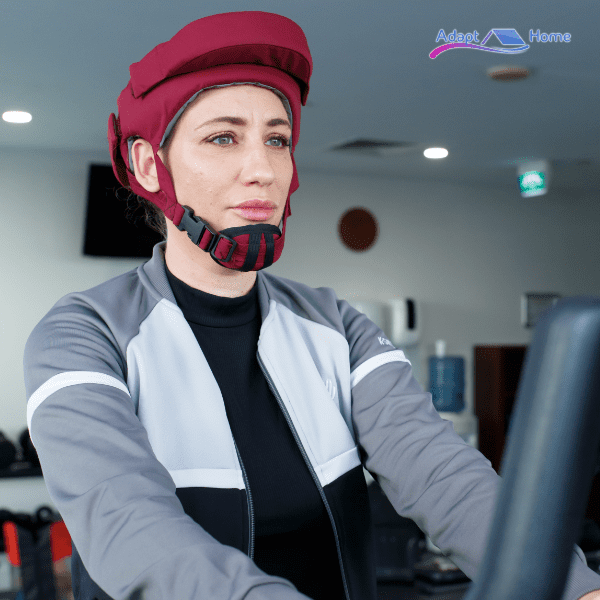
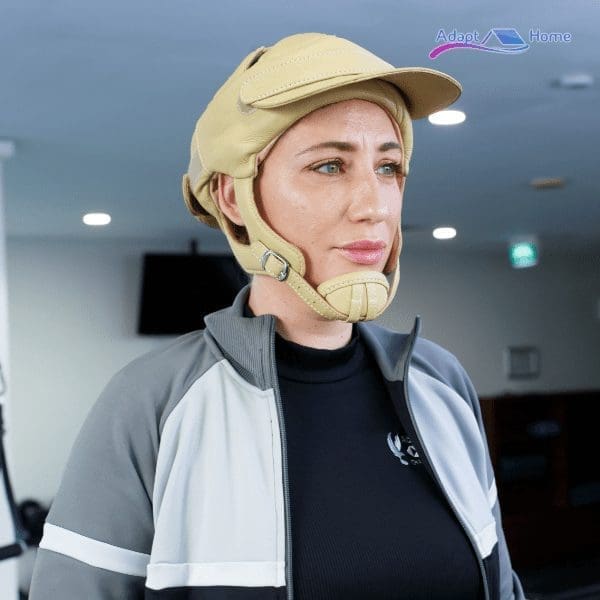
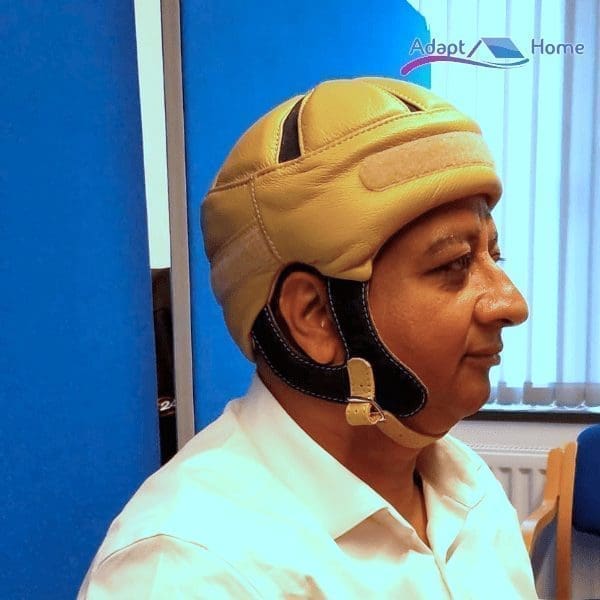
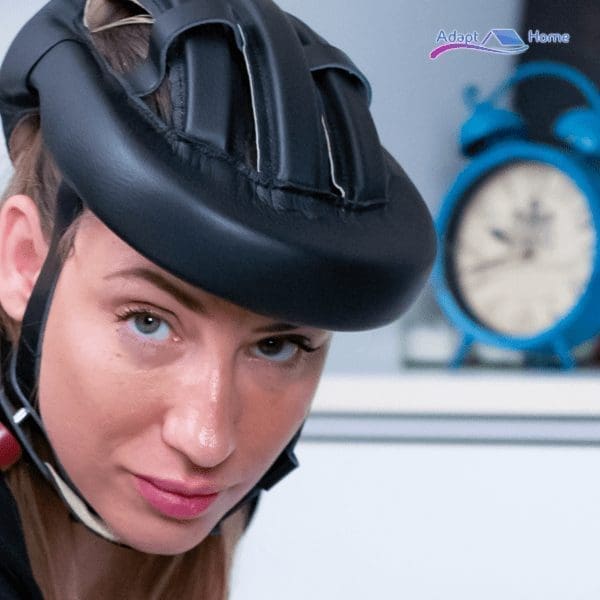
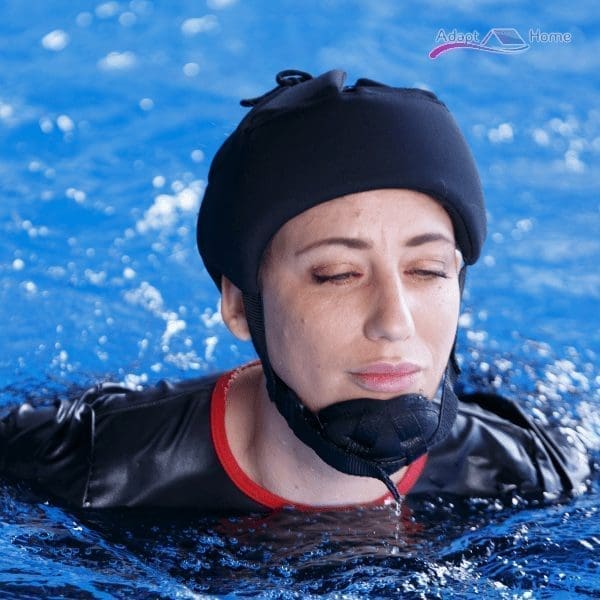
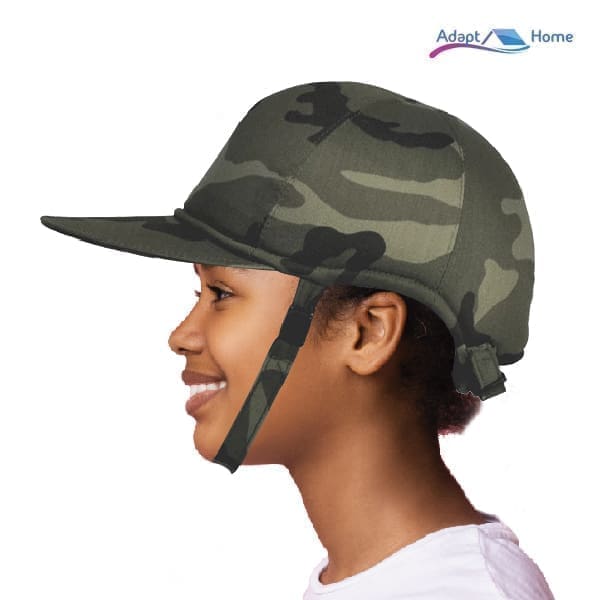
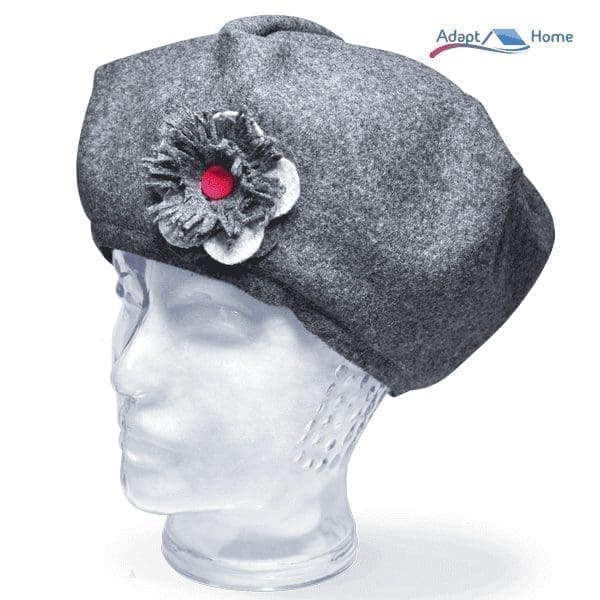
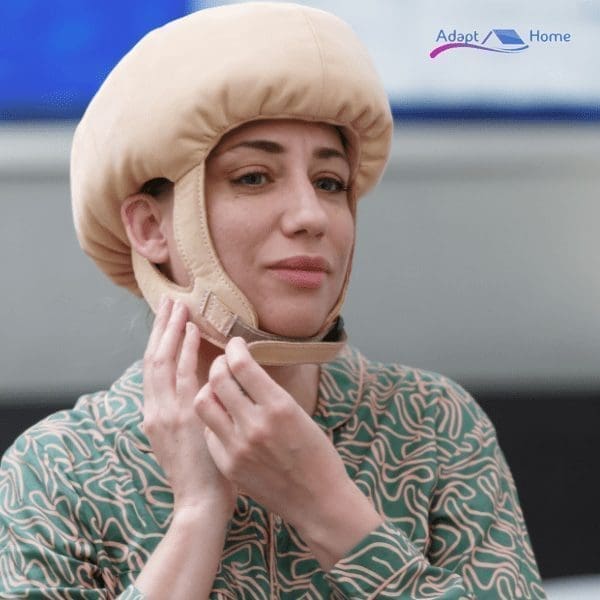
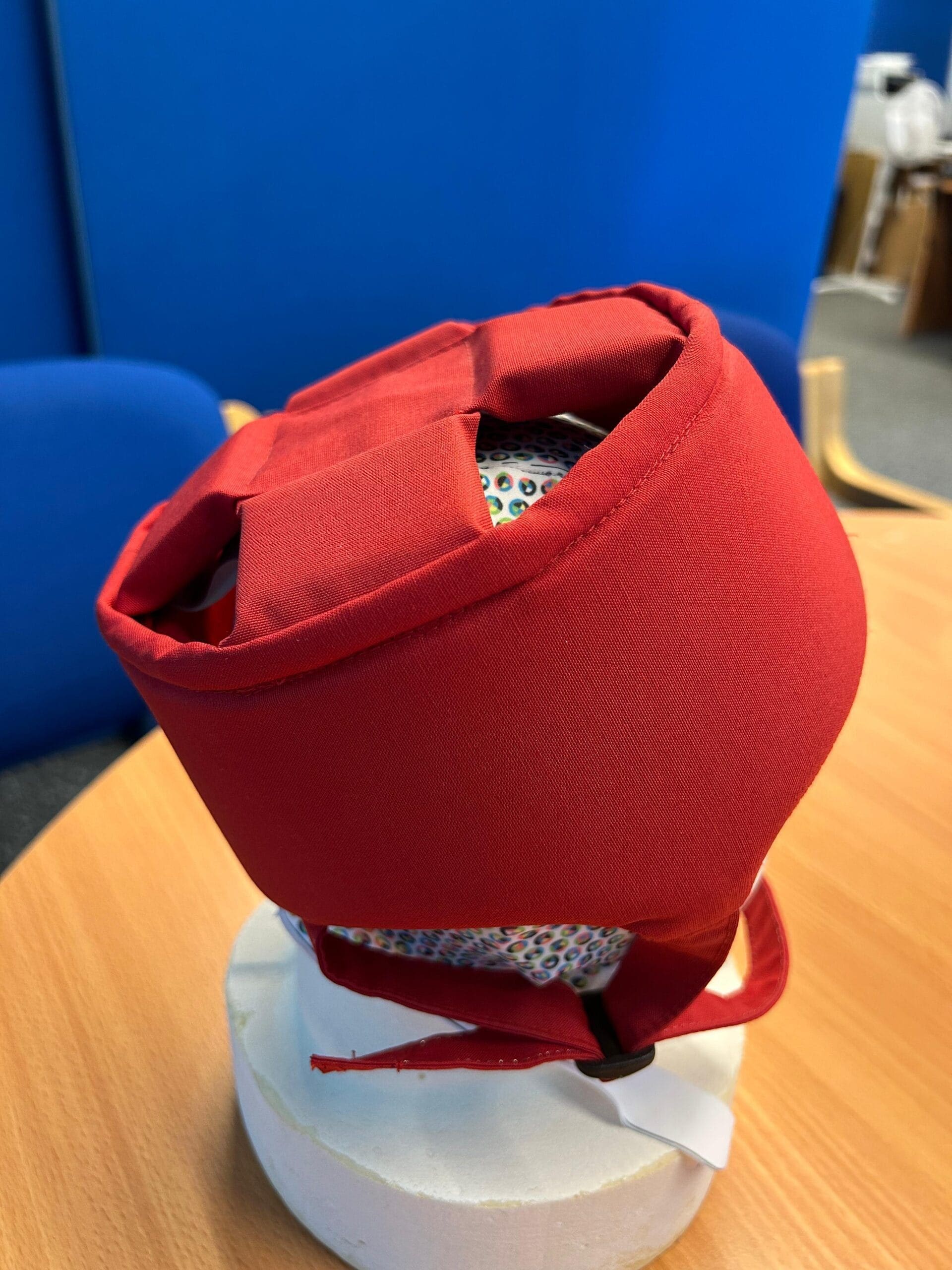
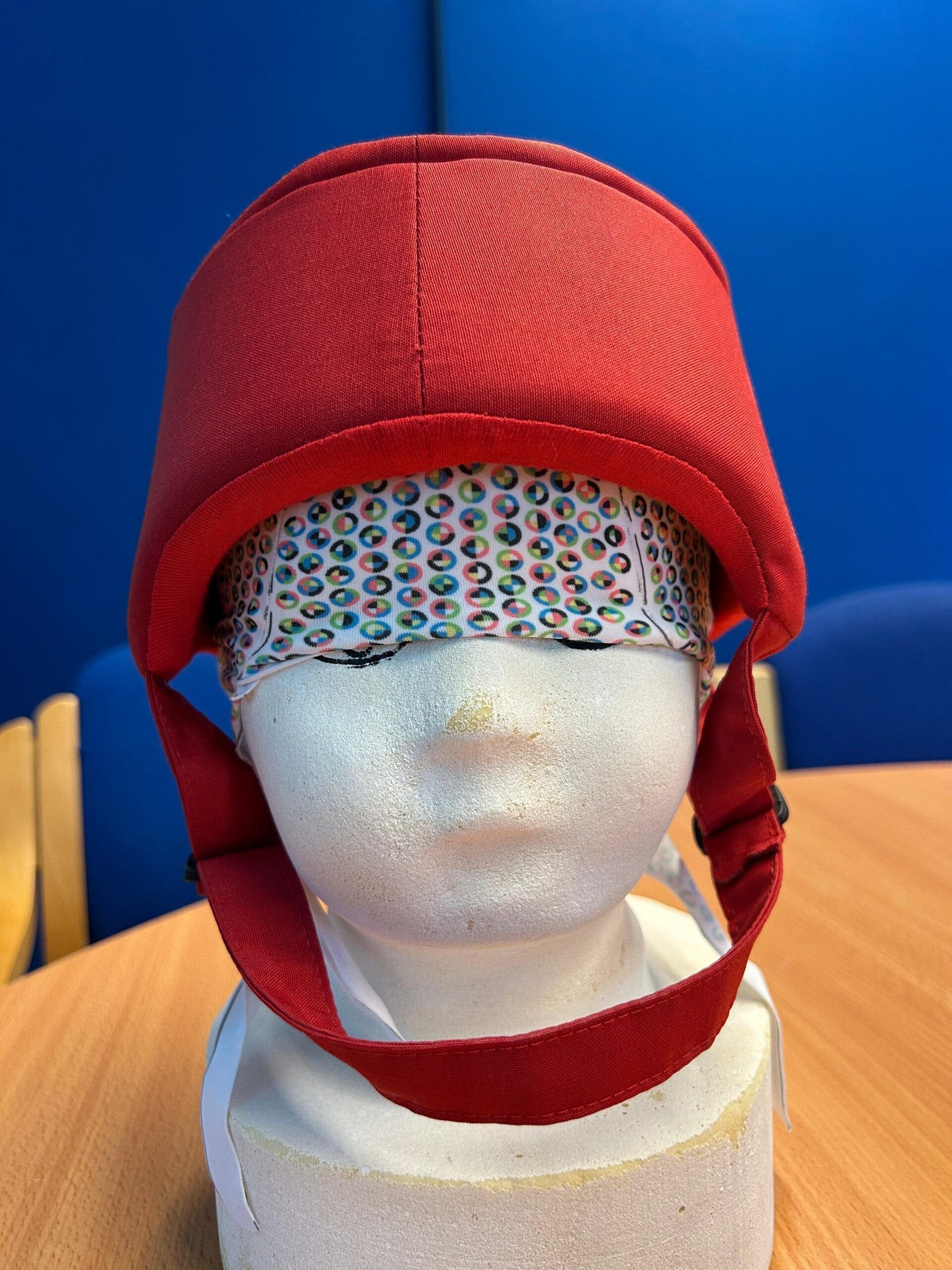
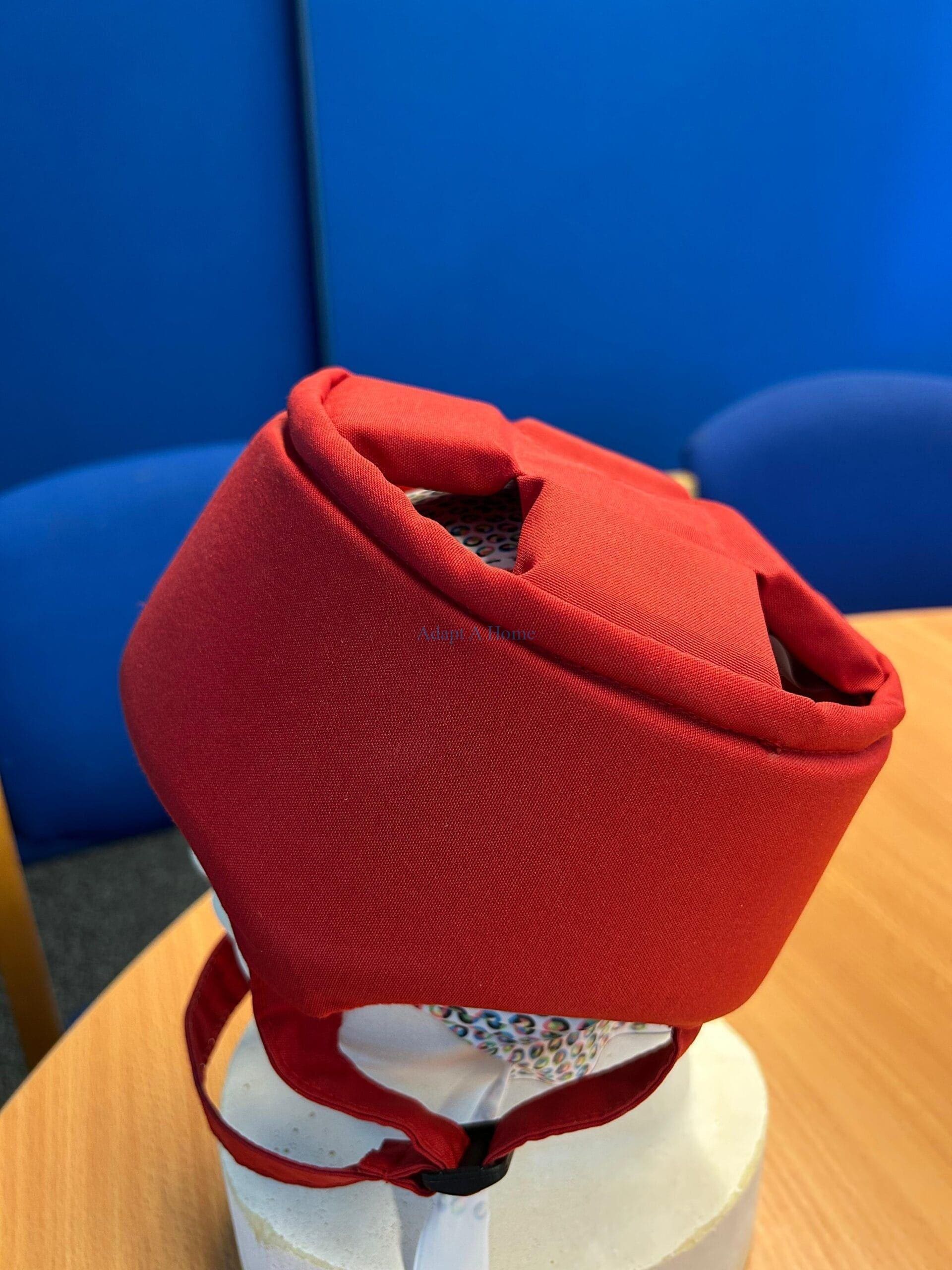
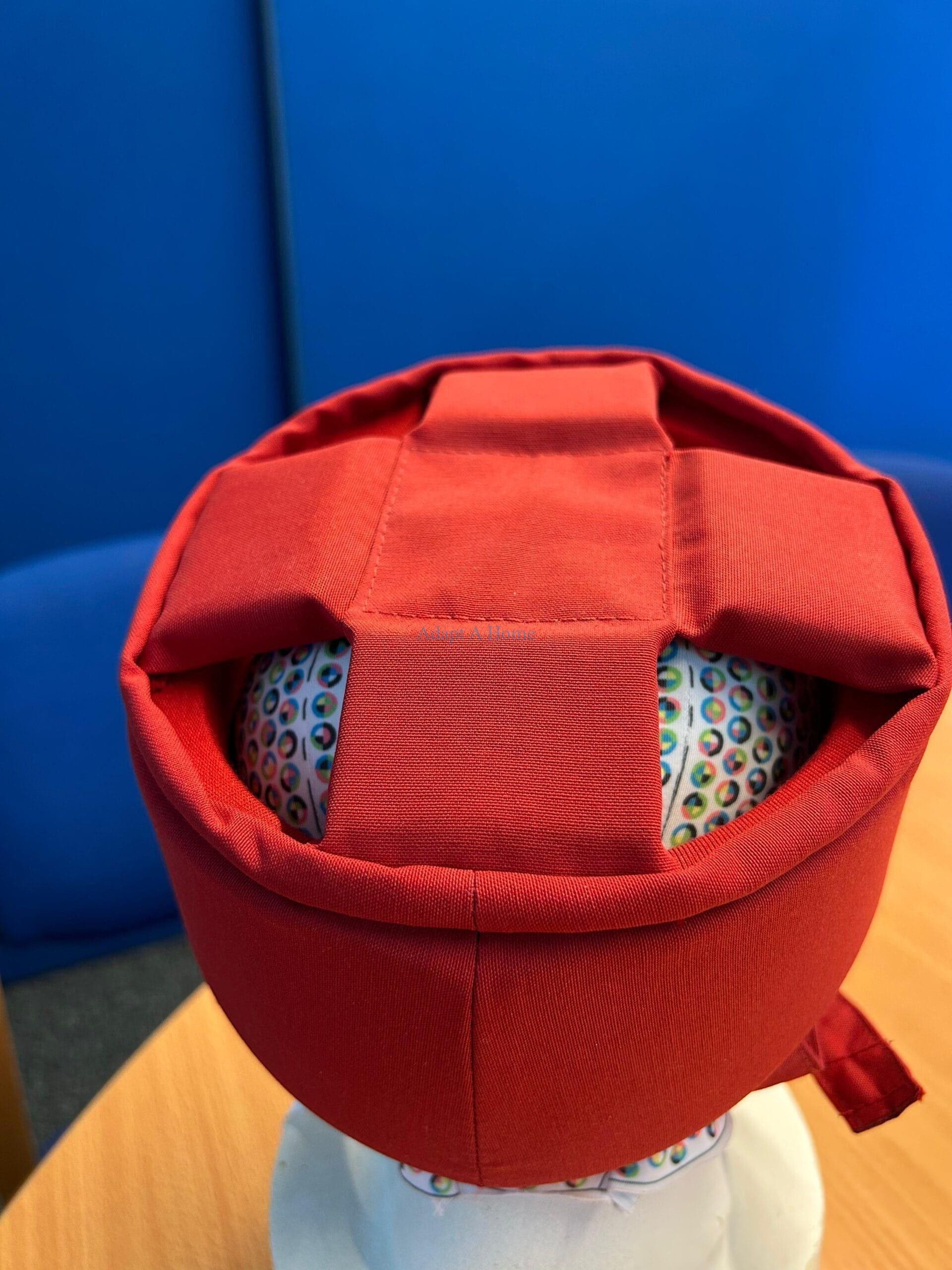
When head banging becomes intense, frequent, or poses a risk of injury, protective headgear can be a valuable safety tool. At Adapt A Home, we offer a comprehensive range of medical-grade special needs helmets, handmade in Germany and trusted by NHS facilities. These helmets are designed for children and adults across varying levels of need.

Explore Our special needs helmet range

All helmets are:

Learn more about our NHS-approved, German-engineered helmets at Adapt A Home – Special Needs Helmet.

When Is Head Banging Considered Normal?

In most toddlers, head banging is a benign developmental behaviour that fades with time. It is typically not a concern when:

When Should Parents Be Concerned?

  Concern Type   Signs to Watch For
Persistent & Intense Continues frequently beyond age 4, involves strong force or long duration
Risk of Injury Causes bruises, bleeding, or other visible harm
Behavioral Red Flags Delayed language, poor eye contact, repetitive behaviours
If any of these signs are present, it’s advisable to consult a paediatrician or child psychologist.

Managing Head Banging at Home

While head banging often resolves on its own, you can take steps to support your child:

Seeking Professional Help

If your child’s head banging seems excessive, disruptive, or connected to broader developmental issues, seeking help is both appropriate and empowering. A healthcare professional can evaluate physical, sensory, or psychological factors and recommend appropriate therapies or interventions.

In the UK, one helpful resource for families is the National Autistic Society. This organisation provides expert information, support services, and guidance for families navigating autism-related behaviours, including self-harming or repetitive actions like head banging. They offer diagnostic resources, educational advice, and access to local support networks for children and adults with autism. A healthcare professional can evaluate physical, sensory, or psychological factors and recommend appropriate therapies or interventions.

Conclusion

Head banging in toddlers is often a self-limiting behaviour that resolves with age. Understanding its causes—ranging from self-soothing to sensory processing—can help parents respond calmly and effectively. In higher-risk situations, medical-grade helmets from Adapt A Home provide the reassurance and protection every family deserves.

By staying informed, offering safe alternatives, and consulting experts when needed, parents can navigate this phase with confidence and care.
Share Post

Qualifies for VAT Relief

If you have a disability or long-term health condition, you won’t need to pay VAT on eligible items. Just pop your medical details (or those of the person you’re buying for) into the checkout, and we’ll automatically remove the VAT on the qualifying products in your basket. If you don’t claim the exemption, or if you’re not eligible, VAT will be added at the standard rate.