Pressure Sores: How a Riser Recliner Chair Can Help

Introduction: What Are Pressure Sores?

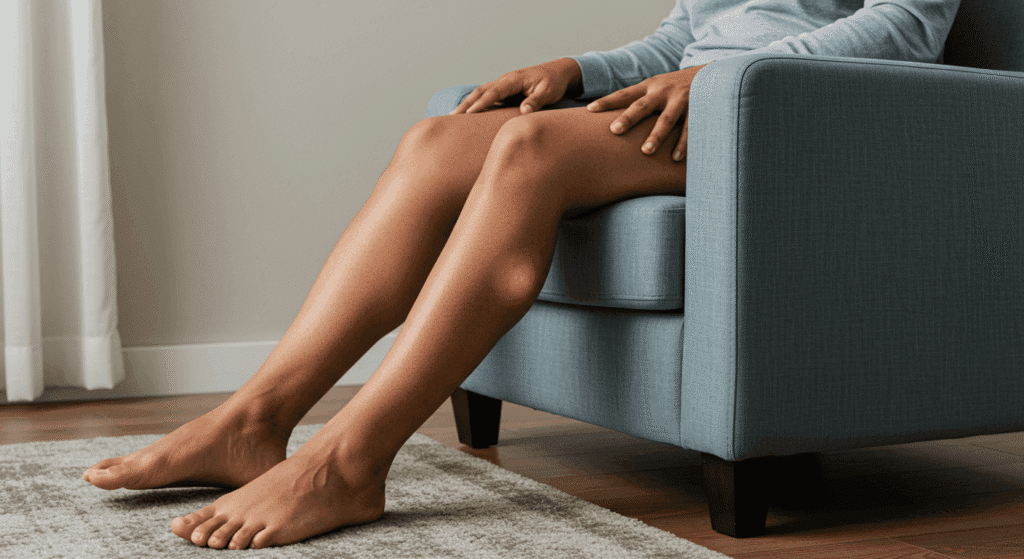
Pressure sores, also known as pressure ulcers or bedsores, are injuries to the skin and underlying tissue caused by prolonged pressure on the skin. These typically develop in areas where bones are close to the skin, such as the heels, hips, back, and elbows. Individuals most at risk include the elderly, people with limited mobility, and those recovering from surgery or illness who remain in one position for extended periods.

Choosing the right seating solution plays a crucial role in both preventing and managing pressure sores. One effective option is a supportive riser recliner chair that promotes movement and reduces pressure buildup.

What Causes Pressure Sores?

Pressure sores are caused primarily by sustained pressure on the skin, which restricts blood flow to the area and leads to tissue damage. Key contributing factors include:

  • Immobility or limited movement
  • Friction from shifting in bed or chair
  • Shear forces when sliding down a chair or bed
  • Poor blood circulation
  • Inadequate cushioning or unsupportive seating


Sitting or lying in the same position for too long—especially in a chair that lacks ergonomic design—can greatly increase the risk of developing sores.

Signs and Symptoms of Pressure Sores

Recognizing early signs of pressure sores is essential for timely intervention. Common symptoms include:

  • Redness or discoloration of the skin
  • Pain or tenderness in affected areas
  • Swelling or warm skin
  • Blisters, open wounds, or skin breakdown

If left untreated, these symptoms can rapidly progress into more serious wounds. Monitoring skin condition regularly is vital, especially for high-risk individuals

The 4 Stages of Pressure Sores Explained

Stage

Description

Symptoms

1

Red or discolored skin

Skin is intact but may be painful or warm

2

Blisters or open sores

Skin breaks open, forming shallow wounds

3

Deep wound

Tissue loss with visible fat layer

4

Severe tissue damage

Muscle, tendon, or bone may be exposed

Early treatment and pressure relief can prevent sores from advancing beyond Stage 1 or 2.

How to Treat Pressure Sores

Treating pressure sores involves both medical care and lifestyle adjustments:

  • Reposition frequently to relieve pressure
  • Use pressure-relieving cushions or pads
  • Keep skin clean and dry
  • Apply appropriate medical dressings
  • Consult a GP or wound care specialist for persistent sores

It’s important to avoid sitting in non-supportive chairs, as they can worsen pressure buildup and slow down healing.

How to Prevent Pressure Sores at Home

Prevention is always better than cure. Key practices to avoid pressure sores include:

  • Changing positions every 1–2 hours
  • Conducting regular skin checks for redness or irritation
  • Maintaining skin hygiene and hydration
  • Using supportive cushions or seating aids

A riser recliner chair can significantly aid in prevention by allowing the user to change position easily, reducing prolonged pressure on any one area.

Explore Our Popular Pressure-relieving Riser Recliners Chair

Why Riser Recliner Chairs Help Prevent Pressure Sore

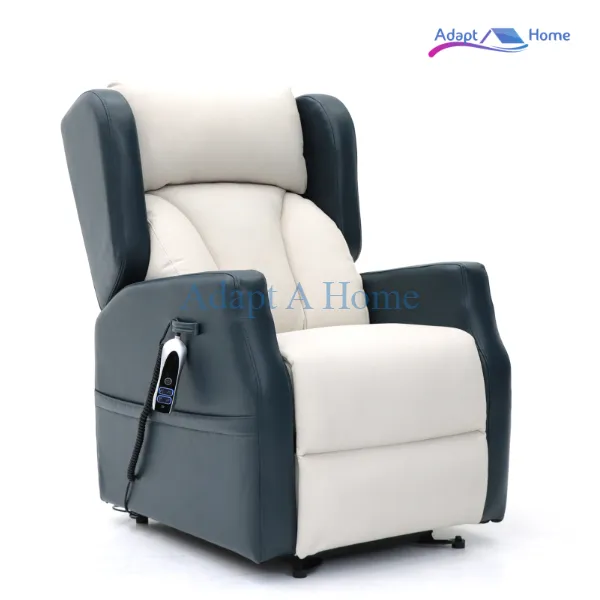
Riser recliner chairs are designed with pressure relief and posture support in mind. Here’s how they help:

  • Distribute weight evenly to reduce localized pressure
  • Enable frequent position changes using recline and lift functions
  • Support good posture, reducing shear and friction
  • Some models include pressure-relieving cushions or overlays

Single motor riser recliners offer simple tilt and lift functions, while dual motor models allow independent control of the backrest and footrest, offering more customized support.

For individuals at risk of pressure sores, investing in a riser recliner chair can make daily seating safer, more comfortable, and more therapeutic.

Conclusion: Support Healing & Comfort with the Right Seating

Pressure sores can have serious consequences, but the right support system can make all the difference. Riser recliner chairs promote healthy circulation, posture, and mobility—all critical in both the prevention and treatment of pressure sores.

Explore our range of riser recliner chairs designed for comfort and safety, or book a free home assessment to find the perfect fit for your needs.

OFFER OF THE WEEK!

Icon Essence Riser Recliner Chair

£375 OFF + Free Delivery

Take home a brand-new riser recliner chair from just £24 per month!

FAQs

How can a riser recliner chair help prevent pressure sores?

Riser recliner chairs allow users to change positions frequently and distribute body weight more evenly, reducing pressure on vulnerable areas like the lower back, hips, and heels.

Yes. Riser recliner chairs can support treatment by reducing pressure on sore areas and improving posture, especially when paired with pressure-relief cushions.

Early signs include redness, pain, or discolouration in high-pressure areas. Advanced stages may show blisters, open wounds, or deep tissue damage.

Yes, prolonged sitting—even in a recliner—can lead to pressure sores if the person isn’t repositioned regularly or lacks sufficient pressure relief. Movement and posture variation are key.

It’s recommended to change position at least every 30–60 minutes to reduce pressure buildup, especially for individuals with limited mobility or at high risk.

Memory foam, gel cushions, and air-cell technology are commonly used. Some riser recliners also include pressure-relieving seat bases designed to reduce skin breakdown.

Yes, most riser recliners come in different seat widths, heights, and backrest styles to accommodate various body types and support levels. At Adapt A Home, our riser recliner range is designed with flexibility in mind—offering multiple configurations to suit individual needs, whether you’re tall, petite, or require bariatric support. Our experts provide free home assessments to help you choose the ideal fit for comfort and mobility.

Share Post

Qualifies for VAT Relief

If you have a disability or long-term health condition, you won’t need to pay VAT on eligible items. Just pop your medical details (or those of the person you’re buying for) into the checkout, and we’ll automatically remove the VAT on the qualifying products in your basket. If you don’t claim the exemption, or if you’re not eligible, VAT will be added at the standard rate.